Quick answer
Buy equipment now if the current machine is costing you in downtime, repairs or lost work, if the new gear pays for itself through extra output, or if the supplier's price is about to rise. Wait if a clearly better model is confirmed within weeks, if you are only buying for a tax deduction, or if the work that needs the equipment isn't secured yet. Tax timing should fine-tune the date, not decide the purchase.
Key points
- Downtime and repairs on old gear are a monthly cost of waiting.
- A new model is only worth waiting for if its release and price are confirmed.
- The $20,000 instant asset write-off applies per asset for businesses under $10m turnover.
- The asset must be first used or installed ready for use in the year you claim it.
Equipment decisions have a way of dragging on. The old machine still works, mostly. A new model is rumoured. A sale might come. The accountant mentions 30 June. Meanwhile the breakdowns keep happening and the quotes keep going up. Here’s how to cut through it.
What is my current equipment costing me each month?
Start here, because it is the number most owners never calculate. Add up, per month:
- repair bills and call-out fees;
- downtime: hours the machine (and the people who use it) sit idle, multiplied by what that time would have earned;
- slower output compared with newer gear;
- extra energy or fuel;
- work you decline because the machine can’t handle it.
That total is your monthly cost of waiting. Our page on the hidden costs of old equipment walks through each line in more detail.
Is the next model worth waiting for?
Sometimes. Use three filters:
- Is the release confirmed? A dated launch from the manufacturer is a fact. A forum rumour is not.
- Does the improvement matter to your work? A faster cycle time you’ll use every day is worth waiting for. A new screen probably isn’t.
- What do the waiting months cost? Multiply your monthly cost of waiting by the months until the new model is actually available in Australia (not overseas), then compare with the benefit.
If the answer to any of the first two is “no”, buy the current model. Dealers often sharpen prices on outgoing stock anyway.
How should the tax calendar affect timing?
Tax should fine-tune the date, not make the decision. The key rules, as the ATO sets them out:
| Rule | What it means for timing |
|---|---|
| $20,000 instant asset write-off | Eligible businesses (aggregated turnover under $10 million) can deduct the full cost of each asset costing less than $20,000 |
| Made permanent | The ATO says the measure is now law, permanently setting the threshold at $20,000 from 1 July 2026 |
| First used or installed ready for use | The asset must be in use or installed ready for use in the income year you claim it |
| Per-asset basis | Several eligible assets can each be written off |
| New or second-hand | Both qualify |
Because the $20,000 threshold is now permanent, there’s less pressure to rush a purchase before a threshold changes. But the installed-ready-for-use test still matters: a machine bought in June but not installed until August is claimed in the following year. See installed ready for use by 30 June and buy in June or July.
Illustrative example: the tired excavator
Illustrative only — invented figures.
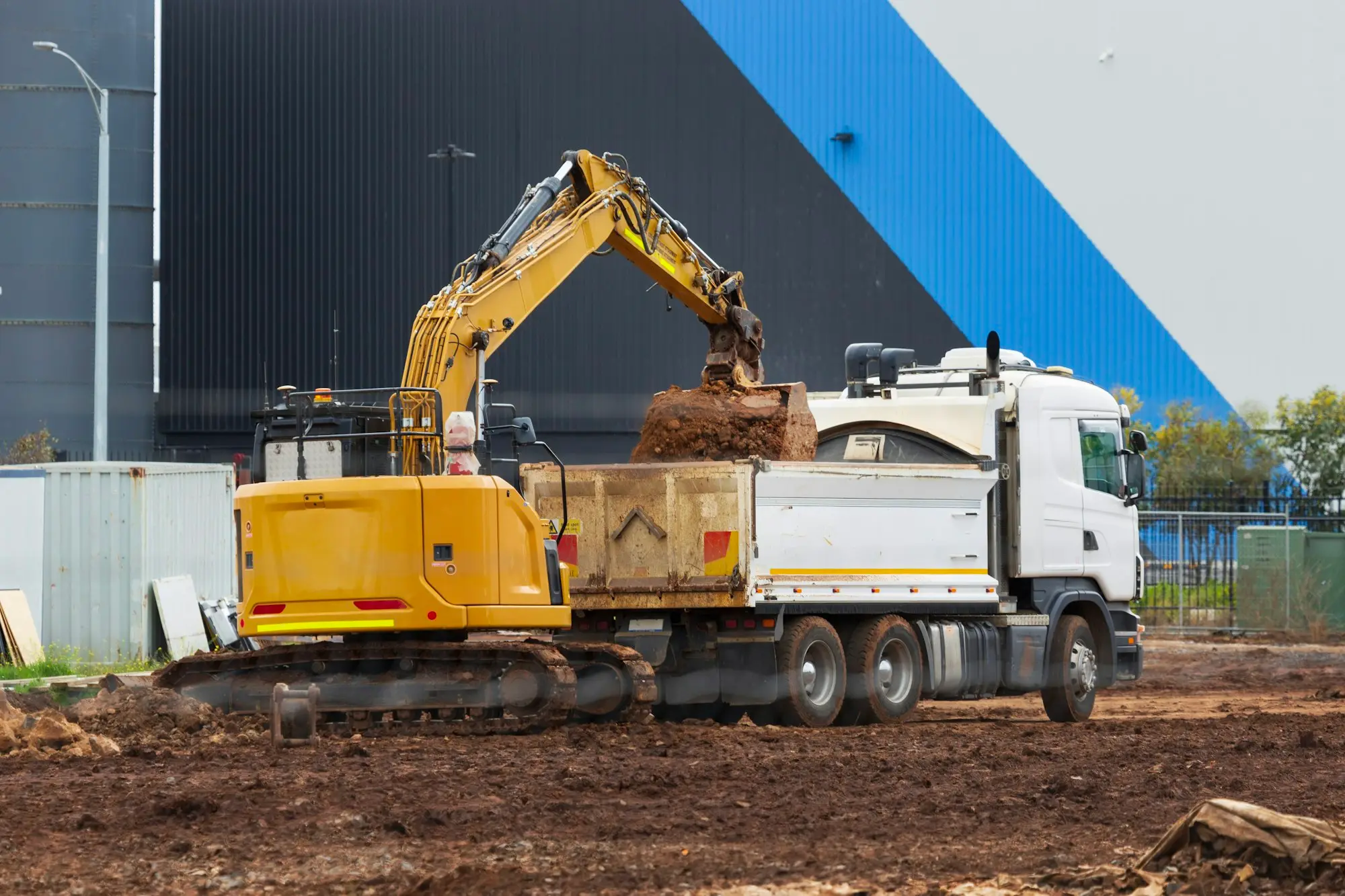
An earthmoving contractor’s older compact excavator breaks down about twice a month. Each breakdown costs around $1,200 in repairs and a lost half-day worth another $1,500. That’s roughly $5,400 a month. A replacement costs $95,000 and the dealer has given notice of a price increase at the end of the quarter.
- Waiting six months for “a better time”: about $32,400 in breakdown costs, plus the price increase.
- Total dollar cost of financing the new machine over the period, as quoted: well below that figure.
The decision was never really about the rate or the tax year. It was about what the old machine costs every month. If your gear is doing the same to you, see if you qualify for funding that lets you replace it now.
When should I hold off on new equipment?
Hold off when:
- the work that justifies the equipment isn’t secured yet;
- you’re buying mainly for the deduction;
- a confirmed, meaningfully better model lands within weeks;
- a quality second-hand unit would do the job and you haven’t looked yet.
On the deduction point, remember: a deduction saves tax at your rate, not the whole price. Our guide on buying just to save tax runs the numbers.
Should I lease, buy outright or borrow?
business.gov.au lays out the trade-offs: leasing keeps upfront costs down and makes upgrades easier; buying gives ownership, the freedom to modify and potential tax deductions, but ties up capital. Borrowing to buy sits between: you own the asset and keep your cash buffer. Property-secured business loans from $20,000 to $5,000,000 suit larger or bundled purchases, while trading businesses may access unsecured options typically between $5,000 and $500,000.
What should I check before signing for new equipment?
Once the decision leans towards now, a few checks protect the timing and the budget:
- Delivery and installation dates in writing. Especially if you want the deduction in the current year; see installed ready for use by 30 June.
- What’s included. Freight, installation, training, first service and warranty terms can add thousands if they’re extras.
- Trade-in or sale value of the old unit. Even a tired machine has some value, which reduces what you need to fund.
- Price validity. How long the quote holds, and whether a price review is coming.
- Downtime during changeover. Plan the swap for a quieter week so you don’t lose the gains in the first month.
These details also make any finance application smoother. A clear quote with delivery dates and what’s included is exactly what a lender wants to see.
Has the old machine had its last chance?
If the monthly cost of keeping it is higher than you expected, it’s time to price the replacement properly. Our quick enquiry takes about a minute and carries no credit check. It isn’t blasted to a list of lenders — one specialist reviews it and calls you. Tell us accurately what the equipment is, what it costs and what security you have, and we can match you properly first time.
Frequently asked questions
Is it worth waiting for the new model of a machine?
Only when the release date is confirmed, the improvement matters to your work, and the extra months with your current machine cost less than the benefit. Rumoured models and vague launch windows are rarely worth the wait.
Should I buy equipment before 30 June to save tax?
Buy before 30 June if you needed the equipment anyway and can have it installed ready for use by then. Buying something you don't need just to get a deduction usually leaves you worse off, because a deduction only saves tax at your marginal rate.
Can I use the instant asset write-off on second-hand equipment?
Yes. The ATO says the instant asset write-off can be used for new and second-hand assets, provided the cost is under the threshold and other conditions are met.
Should I lease or buy?
business.gov.au notes leasing can help cash flow and upgrades, while buying builds ownership and can bring tax deductions. The right answer depends on how long you will keep the equipment and how quickly it dates.
Can I finance equipment with property as security?
Yes. A property-secured business loan can fund equipment, particularly where several items or installation costs are involved, or where the asset itself is specialised. Unsecured options may suit smaller purchases for established trading businesses.