Quick answer
The cost of waiting is the lost profit, making-do costs, price rises and one-off losses you'd face by delaying a decision. In these four illustrative examples, the method points to borrowing now for a cafe and a builder, to a smaller, staged purchase for an online store, and to waiting for a dental clinic whose opportunity isn't yet proven. The method stays the same; the numbers decide.
Key points
- Same four-part method every time: lost profit, making do, price movement, one-off losses.
- Compare the total with the total dollar cost of finance.
- Evidence quality matters as much as the size of the number.
- Sometimes the answer is a smaller or staged version of the plan.
The cost-of-waiting idea is simple to explain and easy to nod along to. It’s harder to apply to your own business on a Tuesday afternoon. So here are four businesses, four decisions and four answers, all using the same method. None of them is real — the figures are invented — but the reasoning is exactly what we’d walk through with an owner.
What’s the method again?
For each decision, estimate over the realistic waiting period:
- Lost profit — what the investment would earn each month.
- Making-do costs — repairs, hire, overtime, outsourcing while you wait.
- Price movement — how much more it will cost later.
- One-off losses — discounts, contracts or opportunities that disappear.
Add them up. Compare with the total dollar cost of finance. Then sense-check the evidence behind the lost-profit figure. The cost-of-waiting calculator does the arithmetic; the judgement is yours.
Example 1: the cafe’s second espresso line
Illustrative only.
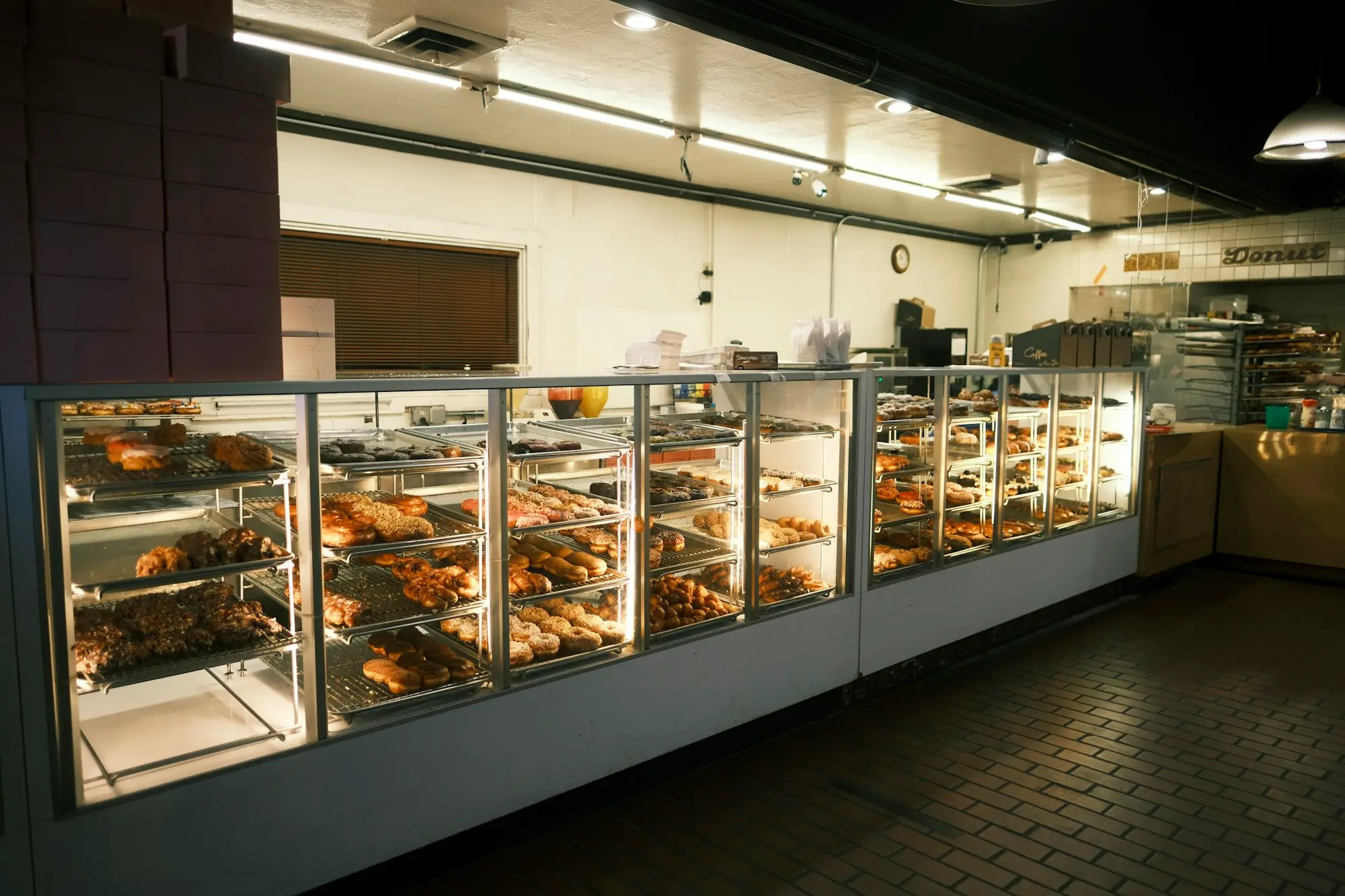
The situation. A busy cafe near a train station has queues out the door from 6:30 to 8:30 on weekdays. The owner has counted: on a typical morning, eight to ten customers look at the queue and leave. A second espresso machine, grinder and bench modification would cost $31,000. The owner’s plan is to save for it over eight months.
The numbers.
| Part | Estimate | Over 8 months |
|---|---|---|
| Lost profit | 9 walk-outs × 22 weekdays × about $6 margin ≈ $1,190/month, plus lost repeat trade allowance of $400 | ≈ $12,700 |
| Making do | Extra barista overtime to push volume ≈ $350/month | $2,800 |
| Price movement | Supplier has flagged a price review ≈ $900 | $900 |
| One-off losses | None identified | $0 |
| Cost of waiting | ≈ $16,400 |
The total dollar cost of a two-year facility, as quoted, came in at a fraction of that.
The evidence. Strong — the owner counted walk-outs over three weeks.
The answer. Borrow now. The machine pays for itself from the extra morning trade and removes the overtime.
Example 2: the builder’s extra ute and trailer
Illustrative only.
The situation. A residential builder runs two crews but only has one tipping trailer and one spare ute. Crews regularly wait for each other’s gear, and the builder has declined two small renovation jobs a month for lack of a third crew vehicle. A used ute and trailer cost $58,000.
The numbers.
| Part | Estimate | Over 6 months |
|---|---|---|
| Lost profit | 2 declined jobs × about $2,400 margin | $28,800 |
| Making do | Crew downtime waiting for gear ≈ $1,100/month | $6,600 |
| Price movement | Unknown — left at zero | $0 |
| One-off losses | A developer client wants a third crew available from next quarter | Not counted |
| Cost of waiting | ≈ $35,400 |
The evidence. Strong — the declined jobs and downtime are logged in the job-management system.
The answer. Borrow now. The builder uses a property-secured business loan against an investment property, keeping working capital free for materials. The developer relationship is a bonus the numbers didn’t even need.
If your business looks like either of these, it may be worth checking your options now rather than after another season of lost work.
Example 3: the online store’s warehouse move
Illustrative only.
The situation. An online homewares store has outgrown its storage unit. The owner wants to lease a small warehouse, fit it out with racking and a packing line, and buy $80,000 of extra stock to broaden the range. Total: $140,000.
The numbers.
| Part | Estimate | Over 9 months |
|---|---|---|
| Lost profit (core range) | Frequent stock-outs on best-sellers ≈ $3,000/month | $27,000 |
| Lost profit (new range) | Untested — owner guesses $4,000/month | ($36,000 — uncertain) |
| Making do | Overflow storage and double handling ≈ $800/month | $7,200 |
| One-off losses | Warehouse is available now; similar units are scarce | Real but hard to price |
The evidence. Strong for the core range (stock-out data from the platform). Weak for the new range (no sales history).
The answer. Stage it. Borrow now for the warehouse, fit-out and deeper stock of proven best-sellers — about $85,000 — which removes stock-outs and double handling. Test the new range with a small order first. If it sells, fund the rest from a second facility or cash in six months. The staged plan cuts the cost of waiting without betting $55,000 on a hunch.
Example 4: the clinic’s second location
Illustrative only.
The situation. A dental clinic owner is considering a second site in a new housing estate 20 minutes away. Fit-out and equipment would be about $420,000.
The numbers.
| Part | Estimate |
|---|---|
| Lost profit | Unknown — the clinic’s books are not full, and few current patients live in the estate |
| Making do | None — the existing clinic has capacity |
| Price movement | Fit-out costs may rise over time |
| One-off losses | A preferred site might be leased by someone else |
The evidence. Weak. The existing clinic has spare capacity, and demand in the new estate is assumed.
The answer. Wait — and use the time. The owner extends evening hours at the existing site, runs a marketing test in the estate, and tracks new-patient postcodes for six months. If demand shows up, the case for the second site becomes strong, and the evidence will support the finance conversation too. See when waiting is smarter for more on this kind of decision.
What do the four examples teach?
| Business | Cost of waiting | Evidence | Answer |
|---|---|---|---|
| Cafe | Clear and large | Strong | Borrow now |
| Builder | Clear and large | Strong | Borrow now |
| Online store | Large for part, uncertain for part | Mixed | Stage it |
| Clinic | Unknown | Weak | Wait and test |
Three lessons stand out:
- The size of the number matters less than the evidence behind it. A big, uncertain figure is weaker than a modest, proven one.
- Staging is underused. Many decisions aren’t all or nothing. Fund the proven part now.
- Waiting well is active. The clinic isn’t doing nothing; it’s buying information cheaply.
How do price rises fit in?
In each example, price movement was a small part of the total. That’s typical: price changes matter, but lost profit usually dominates. Still, prices do move — the ABS reported the CPI rose 4.0% in the 12 months to August 2026 — so if you have a written supplier notice, include it. See supplier price increase notices.
Do tax deductions change the answer?
They fine-tune it. In the cafe example, the machine and grinder each cost under $20,000, so an eligible cafe could write each off in the year it’s installed ready for use under the ATO’s permanent $20,000 instant asset write-off. That improves the after-tax picture but didn’t decide the case — the lost trade did. Our guide on buying just to save tax explains why the deduction should never be the main reason.
Which of the four are you?
If your numbers look like the cafe or the builder, waiting is costing you money every week. If they look like the online store, a staged plan may suit. If they look like the clinic, spend a little time gathering evidence — then come back. Whichever it is, you can ask us about your situation in about a minute. There’s no credit check to enquire. We don’t share your enquiry around the market; a real person reads it, runs the numbers with you and calls. Please answer the form accurately so that call is genuinely useful.
Frequently asked questions
Are these real businesses?
No. They're illustrative examples with invented figures, designed to show how the method works across different industries.
Why does the online store end up with a staged purchase?
Because part of the opportunity was proven and part wasn't. Funding the proven part now and testing the rest keeps the cost of waiting down without betting on an untested assumption.
What if I can't estimate lost profit?
That's a sign to gather evidence first, as the clinic example shows. Track declined work, run a trial or ask customers before you borrow.
Can I run my own numbers the same way?
Yes. Our cost-of-waiting calculator uses the same four parts and compares the total with the finance cost you enter.